1. Identify the germs of concern
Blood, sewage, animal waste and infectious illness each call for different products. The crew chooses a disinfectant whose label fits the situation.
Hayfield Dundee, Louisville, KY · Jefferson County
Was a Hayfield Dundee room, vehicle or workplace exposed to blood, sewage or an infectious illness? Call (877) 812-4220. Cleanup crews remove contaminated items, scrub surfaces and apply the right disinfectant.
If anyone is in danger, call 911 first. For a suicide crisis, call or text 988.
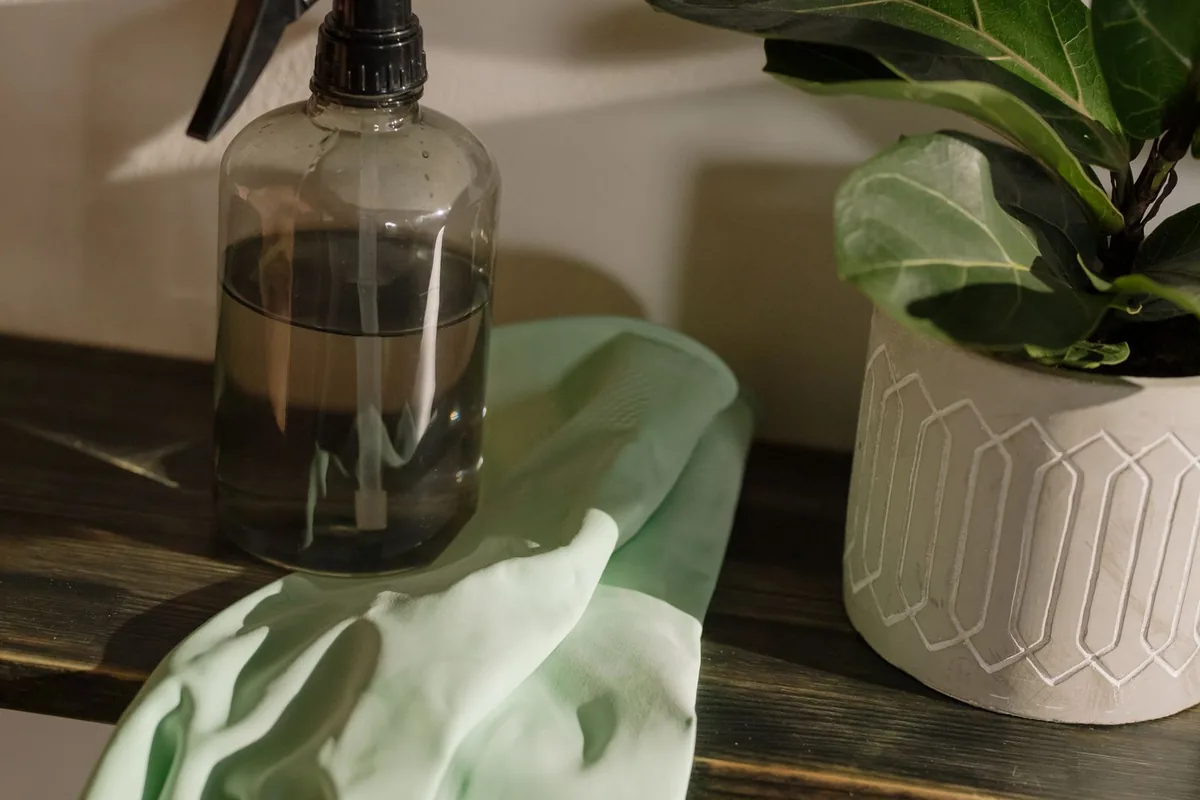
Biohazard decontamination is the careful disinfection of rooms, furniture, vehicles and equipment that blood, bodily fluids, sewage or infectious material has touched. Items that cannot be disinfected are removed and sealed.
Call Hayfield Dundee Biohazard Cleanup Help at any hour for decontamination in Hayfield Dundee, Louisville, KY and across Jefferson County. Your call is answered 24/7, and the team explains what it will clean, what it will disinfect and what has to be removed.
Because vacancy is lower in Louisville, at about 8% of homes, contamination is usually found quickly and treated while people still live in the house. Older housing is common in Louisville, around 61% built before 1980, and porous materials there often need removal, not just disinfection.
What biohazard decontamination covers:
Blood, sewage, animal waste and infectious illness each call for different products. The crew chooses a disinfectant whose label fits the situation.
Crew members put on protective gear for skin, eyes and lungs. The work area is closed off, and people and pets are kept out.
Hard surfaces, edges, corners and the spots under and behind furniture are cleaned thoroughly. Soaked porous materials are cut out and packed.
Waste is packed for regulated hauling, and odor is addressed at the source. The crew shares photos and a summary of the work.
Expect biohazard decontamination in Hayfield Dundee, Louisville, KY to cost roughly $1,000 to $15,000, with the final price set after an on-site assessment.
Access and timing matter too. Emergency response at night, rooms that are hard to reach and the travel distance to the property can all affect the total.
| Type of job | Typical range |
|---|---|
| Biohazard cleanup, published span | $1,000 - $15,000 |
| Residential average range | $1,800 - $4,500 |
| Typical national range | $3,000 - $5,000 |
Figures are planning ranges from Fixr, Yelp Costs, Biohazard cleanup company pricing guide, not a price for any specific Hayfield Dundee property. Price drivers include type of contamination, size of the space, surfaces affected, waste disposal. Call (877) 812-4220 any hour.
Crews clean, then disinfect touch points, bedding, floors and shared surfaces with products suited to the germ. They wear PPE and bag soiled items safely. The same process applies to C. diff, norovirus and other infections.
Yes. Property managers often call when a unit shows signs of bodily fluids, sewage or neglect. The lease and local law decide who pays, and the crew can provide photos and records for the owner.
A biological hazard is any living organism or material from one that can harm health. Examples are bacteria, viruses, mold, blood, bodily fluids, sewage and animal waste. Chemicals and radiation are a different type of hazard.
Cleanup removes blood, bodily fluids and other material from a scene. Decontamination makes the cleaned surfaces and the space safe again through cleaning and disinfecting. Most jobs include both, and the crew can explain how it treats each.
A good team inspects every treated surface, treats leftover odors and explains what it did. Some teams add swab tests. Ask what the final check includes and ask for a record of the work. Testing rules vary by place.
Common ones include blood, vomit, feces, sewage, mold, pest droppings and dead animals. Illness spread by sick residents can also leave germs on surfaces. Some of these need professional biohazard specialists.
See all biohazard cleanup services in Hayfield Dundee, Louisville, KY →
Describe the contamination by phone and the crew explains how it would be treated.
Call (877) 812-4220